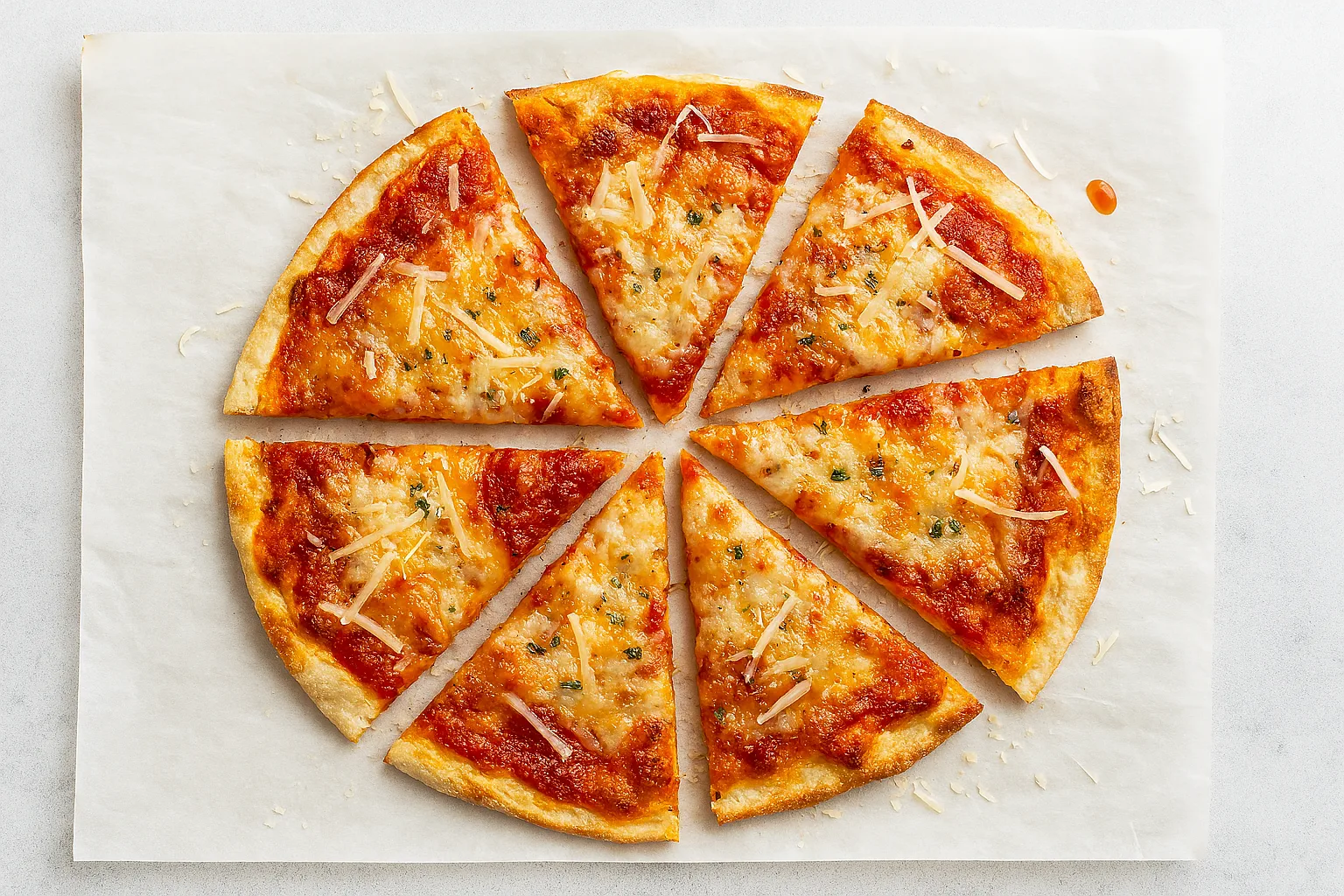
Making homemade pizza does not need to involve yeast, long rising times, or complicated dough. This cottage cheese pizza crust combines blended cottage cheese with self rising flour to create a simple base for your favorite sauce, cheese, and toppings.
The dough comes together quickly, although it will feel stickier than traditional pizza dough. A short first bake helps the crust hold its shape before the toppings are added. The result is a convenient personal sized pizza that works well for a quick lunch or family dinner.
Table of Contents
Why You’ll Love This Cottage Cheese Pizza Crust
This recipe keeps homemade pizza simple without removing the fun of choosing your own toppings.
- The crust requires only two main ingredients.
- You do not need yeast or rising time.
- Blending the cottage cheese creates a smoother dough.
- The pizza can be customized with different sauces, cheeses, and toppings.
- It makes a convenient personal sized pizza.
- Homemade self rising flour can be used when needed.
The method is also approachable for anyone who feels nervous about working with traditional yeast dough. Once the cottage cheese is blended, everything mixes together in one bowl.
If you enjoy simple dough recipes made with cottage cheese, try these cottage cheese bagel recipes for another easy baking idea.
Ingredients You’ll Need
Cottage cheese
Use one cup of cottage cheese for the base of the dough. Cottage cheese with 2% or 4% milkfat is the best starting point for testing this recipe. Fat free varieties may contain more liquid and could change how the dough handles.
Blend the cottage cheese before mixing it with the flour. This breaks down the curds and creates a smoother consistency throughout the crust.
Self rising flour
Self rising flour contains all purpose flour, baking powder, and salt. The baking powder gives the dough some lift without requiring yeast.
Keep a small amount of additional flour nearby. You may need it for your hands, rolling pin, or work surface if the dough is difficult to shape. Avoid mixing a large amount of extra flour directly into the dough because this may create a dense crust.
Pizza sauce
Use about one half cup of pizza sauce. Spreading too much sauce over the crust may make the center softer, so apply a thin and even layer.
Mozzarella cheese
Shredded mozzarella melts smoothly and provides the familiar finish of a classic pizza. About two thirds cup should cover a personal sized crust without weighing it down.
Optional toppings
Choose toppings that do not release too much moisture while baking. Sliced bell peppers, mushrooms, olives, cooked chicken, turkey pepperoni, or fresh basil can all work.
Watery vegetables should be sliced thinly or cooked first. Using a large amount of heavy toppings may prevent the center of the cottage cheese pizza crust from baking evenly.
How to Make Cottage Cheese Pizza Crust
Step 1: Prepare the oven and baking sheet
Preheat the oven to 400°F. Line a baking sheet with parchment paper.
The parchment paper helps contain the sticky dough and makes shaping easier. It also reduces the chance of the crust sticking to the baking sheet.
Step 2: Blend the cottage cheese
Place the cottage cheese in a blender or food processor. Blend until the large curds disappear and the mixture looks creamy.
Stop and scrape down the sides when needed. A smooth mixture will distribute more evenly through the flour than unblended cottage cheese.
Blending also creates a smooth consistency in this cottage cheese egg bake, where cottage cheese adds moisture without leaving noticeable curds.
Step 3: Mix the dough
Transfer the blended cottage cheese to a medium mixing bowl. Add the self rising flour and stir until the ingredients form a sticky ball.
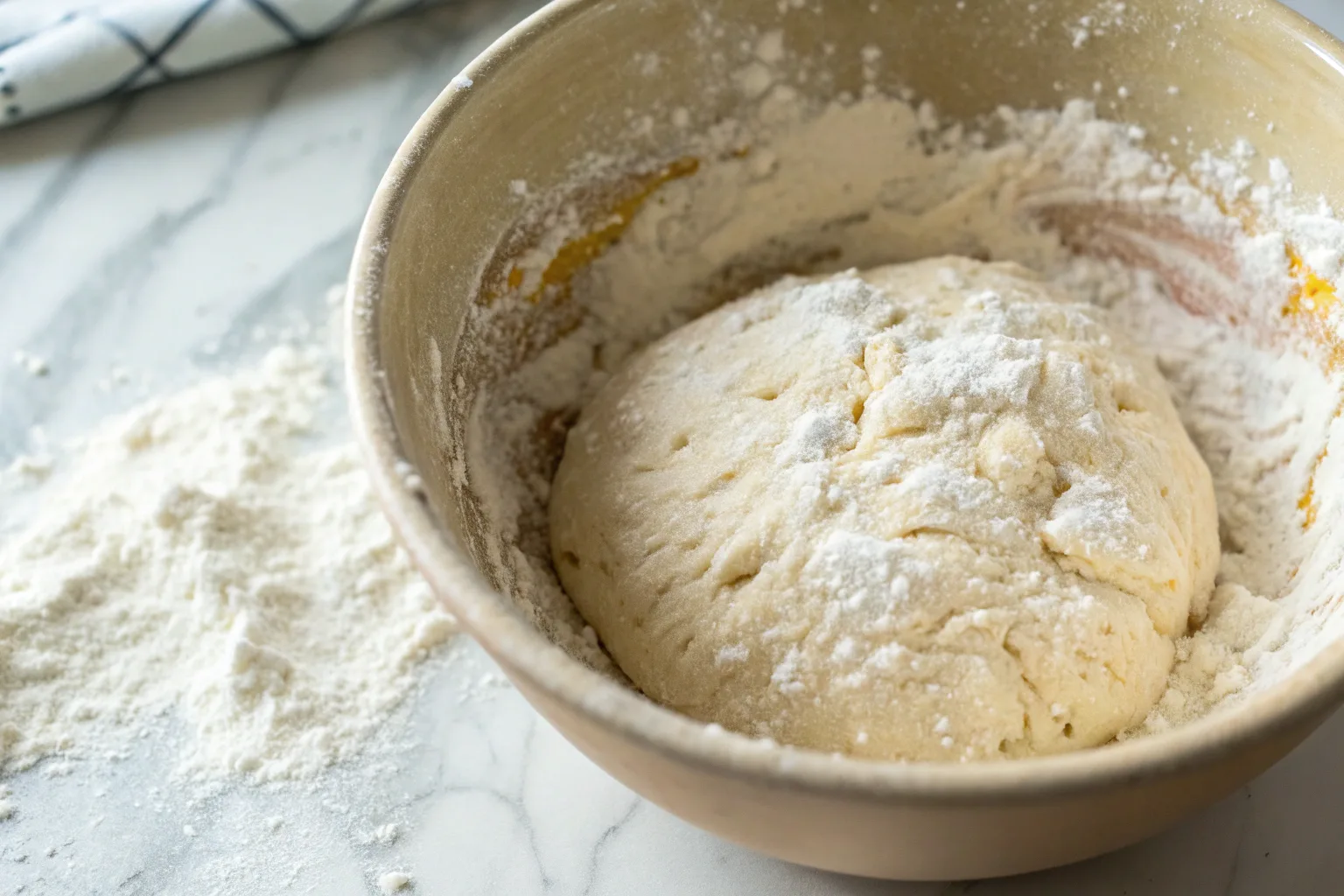
The dough will not feel exactly like traditional pizza dough. It may cling slightly to the spoon and your hands. This is expected, so resist the urge to add a large amount of extra flour immediately.
Step 4: Shape the crust
Move the dough onto the parchment lined baking sheet. Lightly flour your hands or rolling pin, then shape the dough into a thin, even circle.
Aim for approximately the same thickness from the center to the edges. A thick center may remain soft after baking, while very thin edges can brown too quickly.
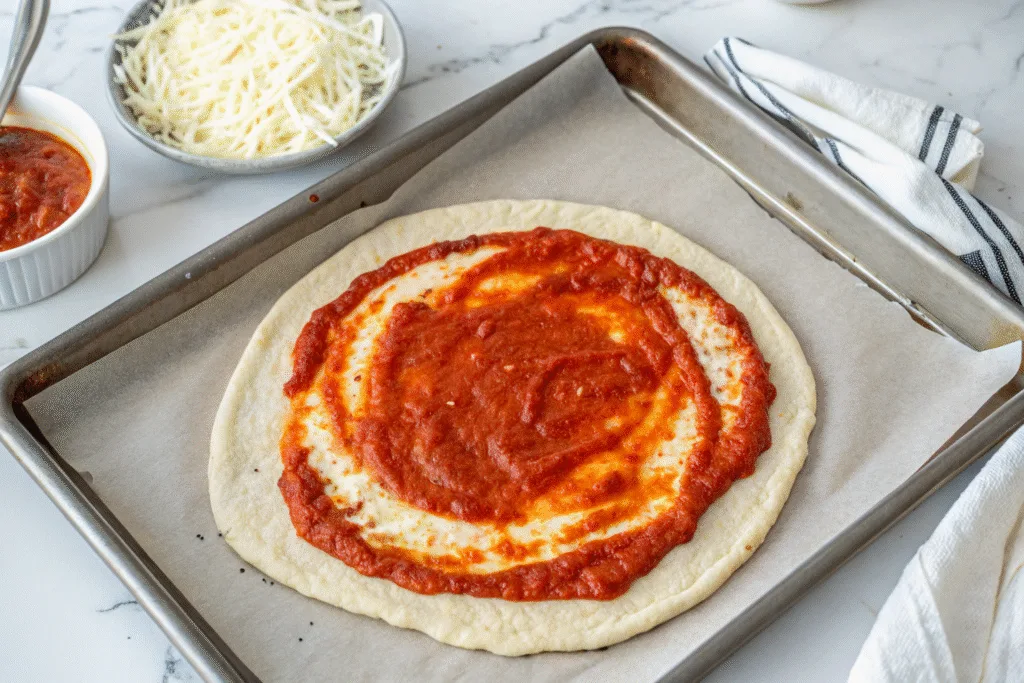
You can also place a second piece of parchment over the dough and gently roll it between the two sheets. Remove the upper sheet before baking.
Step 5: Bake the plain crust
Place the crust in the preheated oven and bake for 6 minutes.
This first bake gives the dough enough structure to support the sauce and cheese. The crust may still look pale when it comes out of the oven.
Step 6: Add the toppings
Carefully remove the baking sheet from the oven. Spread the pizza sauce over the crust while leaving a narrow border around the edge.
Sprinkle the mozzarella evenly over the sauce. Finish with your selected toppings, keeping the layer relatively light.
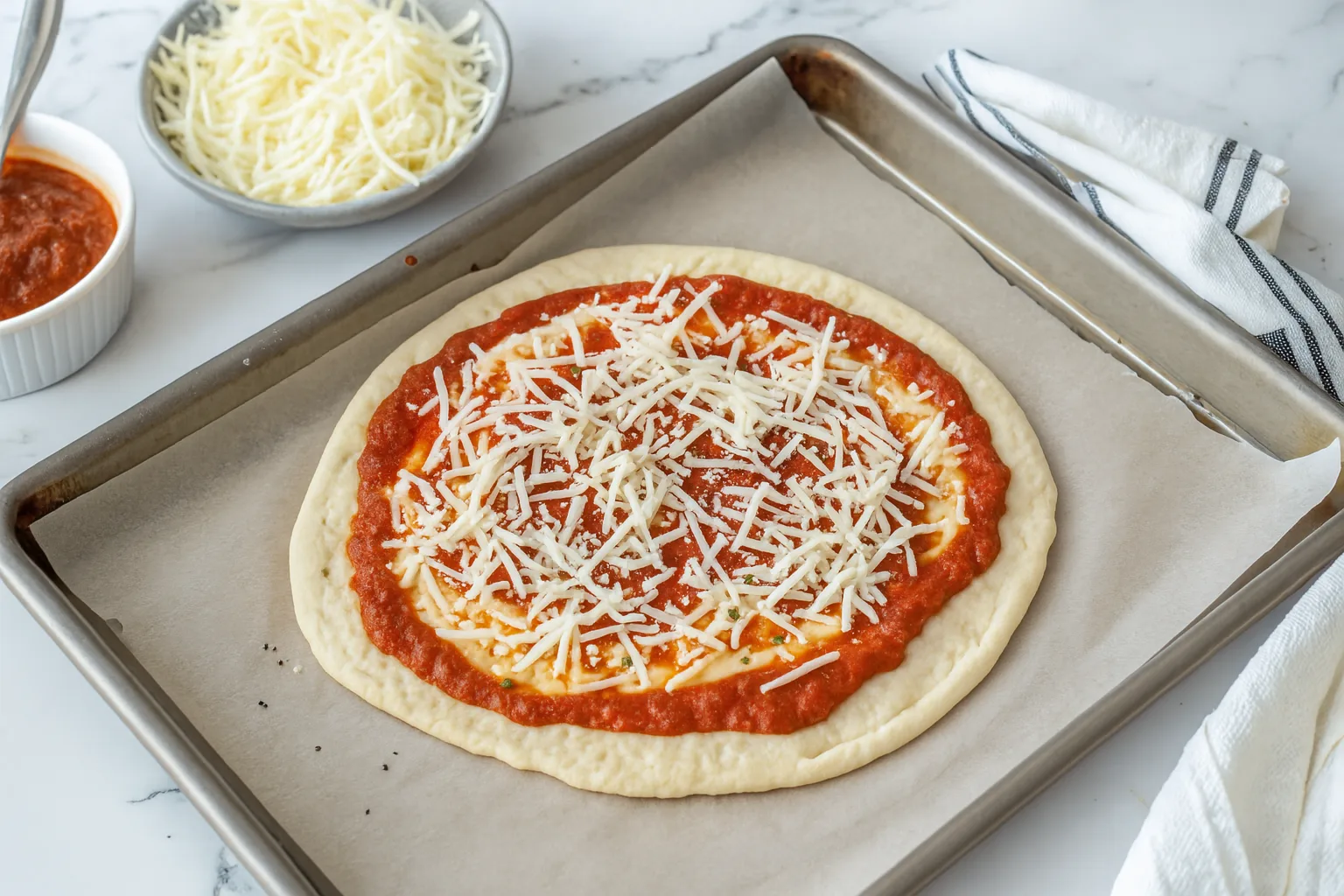
Step 7: Finish baking
Return the pizza to the oven and bake for another 10 to 12 minutes. Look for bubbling cheese and lightly golden edges.
If the center still looks wet or doughy, continue baking in short intervals while watching the edges carefully.
Step 8: Rest and slice
Let the finished pizza rest on the baking sheet for a few minutes. This gives the crust time to settle and makes it easier to cut.
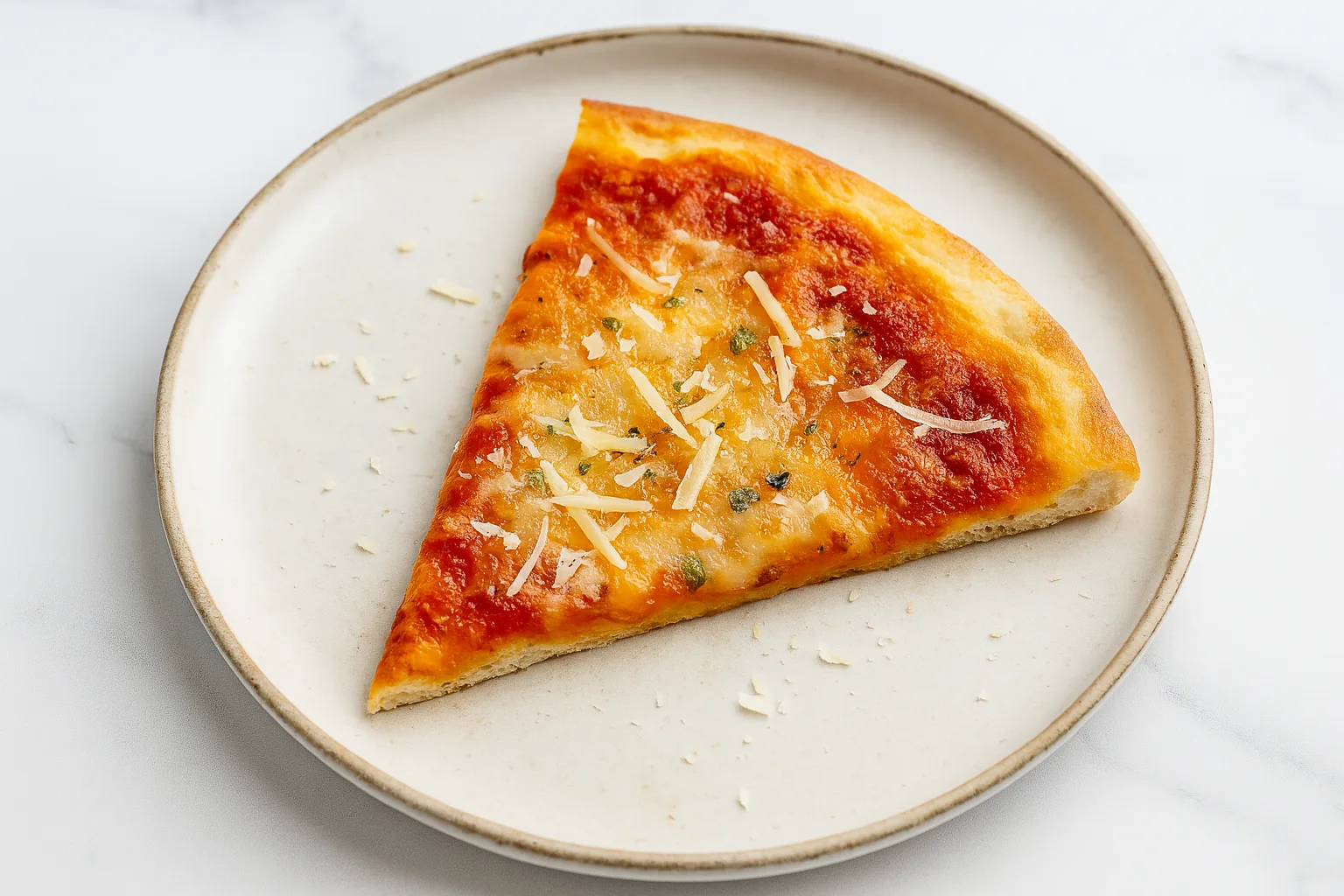
Slice the pizza and serve it while the cheese is warm.
How to Make Self Rising Flour
If you do not have self rising flour, you can prepare a substitute using the proportions recommended in this homemade self rising flour guide from King Arthur Baking.
- 1 cup all purpose flour
- 1½ teaspoons baking powder
- ¼ teaspoon salt
Whisk the ingredients thoroughly before measuring the amount needed for the recipe. This mixture makes slightly more than one cup.
Do not replace baking powder with baking soda. They work differently and are not interchangeable in this recipe.
Tips for Handling Sticky Dough
Cottage cheese contains moisture, so the exact consistency may vary between brands. These tips can make the dough easier to manage.
- Drain visible liquid from the cottage cheese before measuring it.
- Blend until the cottage cheese is completely smooth.
- Shape the dough directly on parchment paper.
- Lightly flour your hands instead of adding excessive flour to the bowl.
- Keep the crust thin and even.
- Use a thin layer of sauce.
- Avoid piling on wet or heavy toppings.
- Let the pizza rest briefly before cutting it.
If the mixture resembles batter and cannot hold any shape, add flour one tablespoon at a time. If it feels dry and cracks while shaping, too much flour may have been added.
Cottage Cheese Pizza Topping Ideas
Classic cheese
Top the crust with pizza sauce, mozzarella, and a small amount of Italian seasoning.
Vegetable pizza
Add thinly sliced bell peppers, mushrooms, olives, and red onion. Precook vegetables that contain a lot of water.
Chicken pesto
Replace the tomato sauce with a thin layer of pesto. Add cooked chicken and mozzarella before returning the pizza to the oven.
Garlic and herb
Brush the first baked crust lightly with olive oil. Add garlic powder, Italian herbs, and mozzarella for a simple white pizza.
Margherita inspired
Use a small amount of tomato sauce and mozzarella. Add fresh basil after baking so it keeps its bright color and fresh flavor.
For an extra creamy variation, serve the pizza with a small spoonful of cottage cheese queso as a dip.
Troubleshooting the Crust
Why is my dough extremely sticky?
Different cottage cheese brands contain different amounts of moisture. Drain any excess liquid before blending. Use lightly floured hands or roll the dough between two sheets of parchment.
Why is the center soft?
The crust may be too thick, the sauce may be too heavy, or the toppings may have released moisture. Shape the dough more thinly and use fewer wet toppings next time.
The initial 6 minute bake may also need adjustment after testing with your oven and chosen crust thickness.
Why did the crust turn dense?
Adding too much extra flour can make the finished crust heavy. Use only enough flour to make shaping manageable.
Why are the edges browning before the center?
The edges may be thinner than the middle. Shape the dough to an even thickness and watch it carefully during the final few minutes.
How to Store and Reheat Leftovers
Allow leftover pizza to cool, then place it in a covered container in the refrigerator. For quality and food safety, refrigerate it promptly rather than leaving it at room temperature for an extended period.
Reheat individual slices in an oven, toaster oven, or covered skillet until heated through. These methods should preserve the crust better than a microwave, which may make it softer.
Freezing the partially baked crust should be tested before that method is recommended to readers.
What to Serve with Cottage Cheese Pizza
This pizza works well with simple sides that do not compete with the toppings. Try serving it with:
- A crisp green salad
- Roasted broccoli
- Steamed green beans
- Tomato and cucumber salad
- Fresh fruit
- Vegetable soup
For a family meal, prepare several smaller crusts and let everyone choose their own toppings.
Cottage Cheese Pizza Crust FAQs
Can you use cottage cheese to make pizza crust?
Yes. Blended cottage cheese can be mixed with self rising flour to form a simple pizza dough. The crust is baked briefly before the sauce, cheese, and other toppings are added.
Do you have to blend cottage cheese for pizza dough?
Blending is recommended because it removes the large curds and creates a smoother dough. Unblended cottage cheese may leave uneven pockets throughout the crust.
Can I use all purpose flour instead of self rising flour?
You can make a substitute by combining one cup of all purpose flour with 1½ teaspoons of baking powder and ¼ teaspoon of salt. Mix thoroughly before using it in the dough.
Why is cottage cheese pizza dough sticky?
Cottage cheese naturally contains moisture, and the amount varies between brands. Drain visible liquid, work on parchment paper, and use a small amount of flour on your hands when shaping the crust.
Can I make cottage cheese pizza crust without yeast?
Yes. This recipe uses self rising flour, which contains baking powder. It does not require yeast or a separate rising period.
Final Thoughts
This cottage cheese pizza crust offers a straightforward way to make pizza dough with two basic ingredients. Blending the cottage cheese, keeping the crust thin, and completing the first bake before adding toppings are the most important parts of the method.
If two ingredients turning into a real crust surprised you, wait until you try the 2-ingredient cottage cheese bread.
Want more simple and satisfying recipes? Follow us on Facebook and Pinterest for daily inspiration straight from our kitchen to yours!
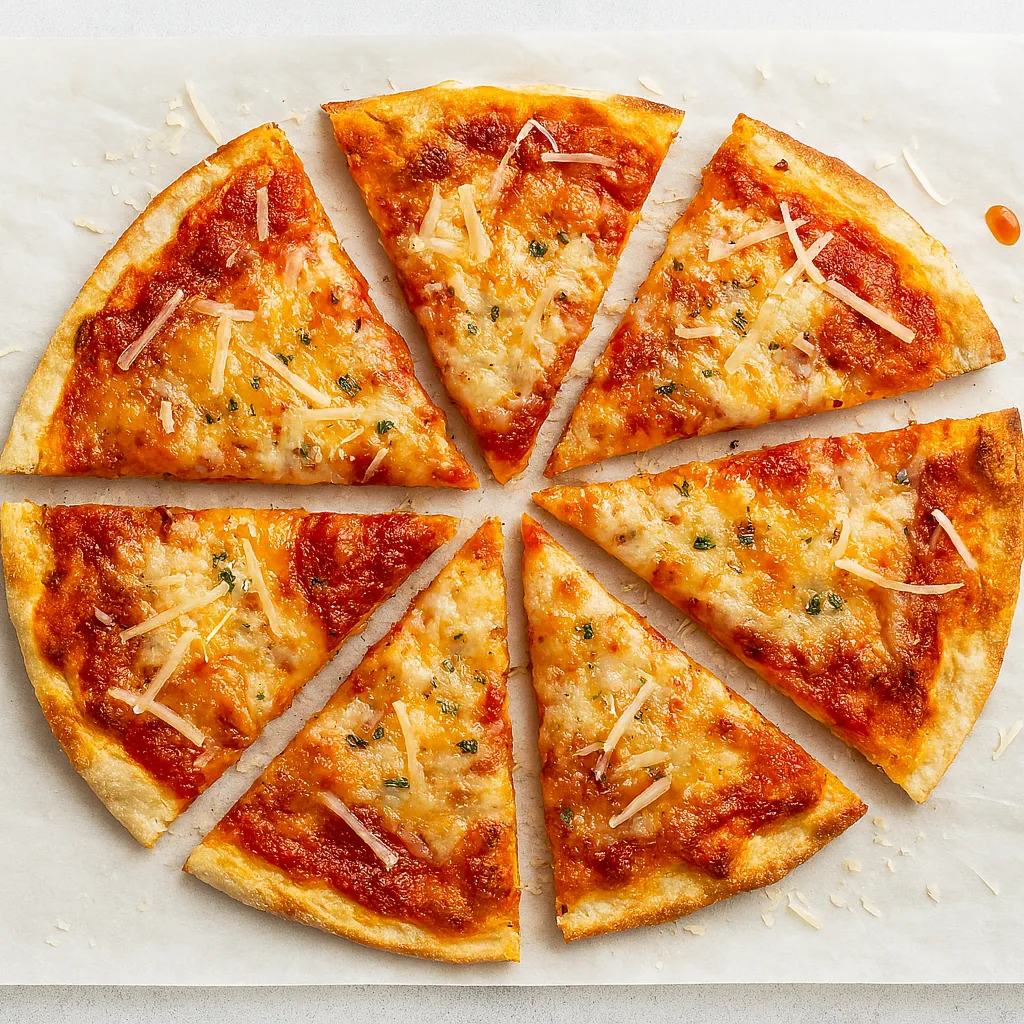

Cottage Cheese Pizza Crust
Ingredients
Equipment
Method
- Preheat the oven to 400°F. Line a baking sheet with parchment paper.
- Blend the cottage cheese until smooth and creamy.
- Transfer it to a mixing bowl and stir in the self rising flour until a sticky dough forms.
- Place the dough on the prepared baking sheet. Lightly flour your hands or rolling pin and shape it into a thin, even circle.
- Bake the plain crust for 6 minutes.
- Remove it from the oven. Add the pizza sauce, mozzarella, and optional toppings.
- Bake for another 10 to 12 minutes, until the edges are lightly golden and the cheese is bubbling.
- Rest briefly before slicing.
Notes
- To make self rising flour, combine 1 cup all purpose flour, 1½ teaspoons baking powder, and ¼ teaspoon salt.
- The dough is expected to be sticky.
- Avoid adding excessive extra flour.
- Keep the sauce and toppings light so the center can bake properly.
- Nutrition information should remain blank until it is accurately calculated.