

Lemon Loaf – Browned Butter Blondie is a moist, sweet treat with a hint of citrus and the depth of browned butter. Perfect for a family gathering or a cozy afternoon snack, it’s a go-to dessert that everyone will appreciate. The fragrant aroma of lemon wafting through the kitchen will draw everyone in, making it hard to resist a slice fresh from the pan.
Why You’ll Love This Recipe
This recipe holds a special place in my heart because I made it for my sister’s birthday last year. The kitchen filled with a warm, nutty scent as the butter browned, mingling with the zesty lemon I had just grated. My sister, usually quite discerning when it comes to desserts, took one bite and exclaimed, “This is the best cake I’ve ever had!” It was so rewarding to see her smile like that.
Each slice is dense yet tender, and the lemon glaze adds a delightful zing without being overpowering. This Lemon Loaf serves as both a treat and a comfort, making it perfect for sharing during special moments or simply enjoying with a cup of tea on a rainy afternoon.
How to Make Lemon Loaf – Browned Butter Blondie
Making this Lemon Loaf involves browning butter, mixing in sugars, and combining wet and dry ingredients before baking. The process takes about 15 minutes of active work and a little over an hour in the oven, with cooling time afterward. When you’ve got the ingredients laid out, it turns into a simple, enjoyable task.
As you melt the butter, the golden-brown color develops and fills the air with a rich, nutty scent that signals it’s ready. The zesty lemon comes into play when you add the juice and zest, lifting the warm aroma even more. You can almost feel the anticipation building as the hearty batter comes together in your mixing bowl, just waiting to be transformed in the oven.
Ingredients
| Ingredient | Quantity | Notes & Alternatives |
|---|---|---|
| Unsalted butter | 1½ cups (340g), divided | Can substitute with margarine or coconut oil, but taste may vary. |
| Brown sugar | 1¼ cups (270g), firmly packed | Light or dark brown sugar works; dark gives a richer flavor. |
| Granulated sugar | ½ cup (100g) | Can be swapped with cane sugar for a different sweetness profile. |
| Eggs | 3 large, room temperature | Room temperature helps them incorporate better. Cold eggs may cool down the mixture. |
| Pure vanilla extract | 2 teaspoons | Use pure vanilla for best taste; imitation works in a pinch. |
| Lemon zest | 2 tablespoons (from 3–4 organic lemons) | Fresh zest is essential; bottled may lack the same brightness. |
| Freshly squeezed lemon juice | ⅓ cup (80ml), strained | Fresh juice is key for flavor; avoid bottled lemon juice. |
| All-purpose flour | 2 cups (250g), spooned & leveled | Whole wheat flour can be used, but it will change texture. |
| Cornstarch | ¼ cup (30g) | Can replace with all-purpose flour, but loaf may be denser. |
| Baking powder | 1½ teaspoons, aluminum-free | Aluminum-free is lighter and keeps the flavor clean. |
| Baking soda | ¼ teaspoon | Essential for levity, do not skip. |
| Fine sea salt | 1 teaspoon | Table salt can be used, but adjust amount down slightly. |
| Powdered sugar (for glaze) | 1 cup (120g) | Can substitute with coconut sugar for a slightly different glaze. |
| Fresh lemon juice (for glaze) | 1½ tablespoons | Use fresh lemon for the best taste; avoid bottled. |
| Lemon zest (for glaze) | ½ teaspoon | Extra zest brightens the glaze; fresh is always best. |
| Heavy cream or full-fat coconut milk | 1 teaspoon | Coconut milk adds a vegan option but may affect flavor. |
Step-by-Step Directions
- Preheat the oven to 325°F (163°C), filling the kitchen with a warm breeze.
- Grease and line a 9×5-inch loaf pan with parchment paper, making sure it hangs over the sides for easy removal.
- Melt ¾ cup (170g) butter in a light saucepan over medium-low heat, swirling occasionally until it turns golden-brown and smells nutty, about 6–9 minutes.
- Pour the browned butter into a heatproof bowl immediately, skimming off any foam while it cools.
- Beat the cooled browned butter and the remaining ¾ cup (170g) softened butter with brown sugar and granulated sugar in a stand mixer on medium-high until pale and fluffy, about 4–5 minutes.
- Add eggs one at a time, mixing for 1 minute after each, then blend in vanilla, lemon zest, and lemon juice until combined; the batter may look slightly broken.
- Whisk flour, cornstarch, baking powder, baking soda, and sea salt together in a separate bowl until uniform.
- Mix the dry ingredients into the wet ingredients on low speed in three parts, combining only until incorporated; finish with a spatula to avoid overmixing.
- For a marbled version, pour ¾ of the batter into the pan, dollop the remaining ¼ with extra zest, and swirl gently 3–4 times with a knife.
- Bake for 65–75 minutes, tenting with foil at 45 minutes, the loaf is done when a toothpick comes out with few moist crumbs and the center springs back when gently pressed.
- Cool the loaf in the pan for 20 minutes, then lift it out using parchment and transfer to a wire rack.
- Let it cool completely for at least 2 hours before glazing, whisking together glaze ingredients until smooth, and drizzling it over the cooled loaf.
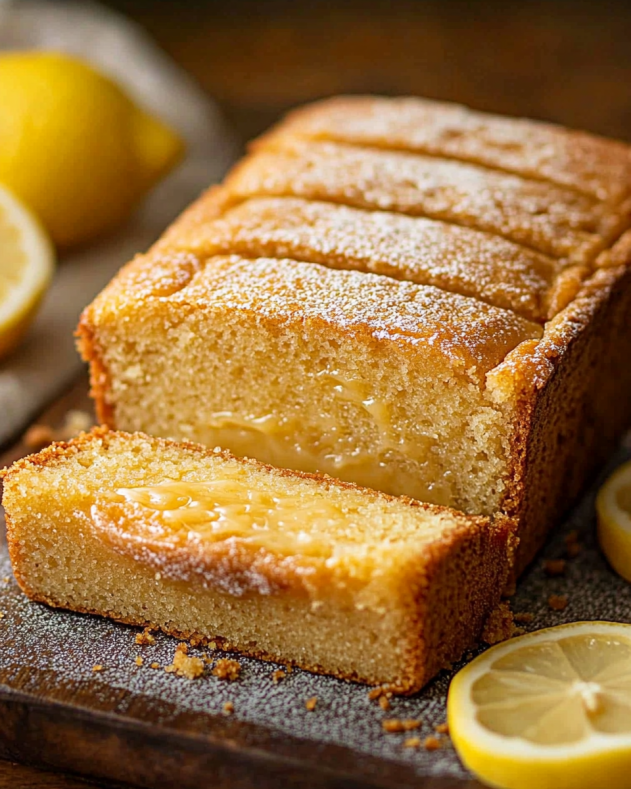
How to Serve Lemon Loaf – Browned Butter Blondie
On a sunny afternoon picnic, slice the Lemon Loaf and serve it alongside fresh strawberries. The citrus flavor from the loaf complements the sweet, juicy berries, while the sun shines down, creating a perfect backdrop for a delightful dessert.
At a cozy book club meeting, present the Lemon Loaf on a dainty cake stand, its glaze glistening under the soft light. Paired with a hot cup of chamomile tea, the combination warms the soul and sparks meaningful conversations among friends.
For a relaxed family brunch, slice and serve the Lemon Loaf with whipped cream or a scoop of vanilla ice cream. This pairing enhances both the sweet and tart notes of the lemon, making it a great pick for lazy Sunday mornings.
How to Store Lemon Loaf – Browned Butter Blondie
| Method | Duration | Instructions |
|---|---|---|
| Room Temperature | 2-3 days | Wrap tightly in plastic wrap or aluminum foil to keep moisture in. |
| Refrigerator | 1 week | Store in an airtight container to prevent drying out. |
| Freezer | 3 months | Wrap tightly in plastic wrap and then in aluminum foil or freezer bag. |
Chef Tips for Perfect Results
- Use room temperature eggs: Bring eggs to room temperature before using to ensure even mixing and better fluffiness. Why: Cold eggs can cause the batter to curdle and result in a dense loaf.
- Don’t skip cooling the browned butter: Allow the butter to cool before mixing; this helps prevent the eggs from cooking. Why: Hot butter can scramble eggs, leading to an undesirable texture.
- Measure flour correctly: Use the spoon-and-level method for measuring flour to avoid a dense loaf. Why: Packing flour too tightly can result in using too much, making the loaf heavy.
- Check doneness with a toothpick: Insert a toothpick into the center of the loaf to check for moist crumbs. Why: This ensures the loaf is fully baked without being overdone.
- Let it cool completely: Allow the loaf to cool for at least two hours before slicing. Why: Cutting too soon can lead to a gummy texture and difficulty slicing.
Common Mistakes to Avoid
Mistake: Not allowing the butter to brown properly.
Why it happens: Rushing the browning process can leave the butter undercooked.
How to fix: Take your time and watch carefully for that golden, nutty color.
Mistake: Overmixing the batter.
Why it happens: It’s easy to keep beating once the ingredients are combined.
How to fix: Stop mixing as soon as you no longer see dry flour for a tender loaf.
Mistake: Skipping the lemon glaze.
Why it happens: Some may think it is optional.
How to fix: Remember that the glaze adds a bright and sweet finish that enhances the loaf’s flavor.
Mistake: Using cold eggs directly from the fridge.
Why it happens: It’s common to forget to take them out early.
How to fix: Take eggs out at least 30 minutes before starting to ensure they mix well.
Mistake: Not tenting the loaf with foil.
Why it happens: Many miss this step thinking it isn’t necessary.
How to fix: Tent the loaf after 45 minutes to prevent over-browning while it finishes cooking.
Variations and Substitutions
| Ingredient | Substitution | Impact on Flavor |
|---|---|---|
| Unsalted butter | Vegetable oil or margarine | Will create a lighter texture but may lose nutty flavor. |
| Brown sugar | White sugar | Loses slight caramel notes that brown sugar provides. |
| Lemon juice | Lime juice | Adds a different tartness, flavor closer to lime bars. |
| All-purpose flour | Gluten-free flour blend | Can alter the texture but still yields a cake-like density. |
| Cornstarch | Arrowroot powder | Similar thickening properties with a neutral flavor impact. |
Nutritional Information
| Nutrient | Amount per Serving |
|---|---|
| Calories | 350 |
| Total Fat | 18g |
| Cholesterol | 70mg |
| Sodium | 180mg |
| Total Carbohydrates | 44g |
| Protein | 3g |
Approximate values only.
Frequently Asked Questions
Can I use a different type of sugar for this lemon loaf recipe?
You can substitute granulated sugar with coconut sugar or honey, but these alternatives can affect sweetness and flavor. Adjust the quantity if using liquid sweeteners to avoid making the batter too wet.
How do I know when the lemon loaf is done baking?
Check for doneness by inserting a toothpick into the center. If it comes out with a few moist crumbs, your loaf is ready. If it comes out wet, bake a bit longer and check again.
Can I make the lemon loaf ahead of time and freeze it?
Yes, you can freeze the lemon loaf for up to three months. Wrap it tightly in plastic wrap and foil to keep it fresh, and let it thaw in the refrigerator when you’re ready to serve.
What should I serve with lemon loaf?
Serve the lemon loaf with whipped cream, fresh berries, or a scoop of ice cream for a delicious dessert. The tartness of the lemon pairs wonderfully with creamy textures and sweet flavors.
What should I do if my lemon loaf is too dense?
If your lemon loaf turns out dense, it could be due to overmixing or incorrect flour measurement. To avoid this, handle the batter gently and measure flour using the spoon-and-level method for optimal texture.
Quick Recap
Experimenting with the blend of nutty and citrus flavors, Lemon Loaf – Browned Butter Blondie is an absolute winner. It’s moist, with the perfect balance of sweetness and tartness, and sure to brighten up any occasion. Whisk together the glaze before serving for a zesty finish that will make everyone reach for seconds.


Lemon Loaf – Browned Butter Blondie
Ingredients
Method
- Preheat the oven to 325°F (163°C) and grease a 9×5-inch loaf pan with parchment paper.
- Melt ¾ cup (170g) butter in a light saucepan over medium-low heat until golden-brown and nutty.
- Pour the browned butter into a heatproof bowl, skimming off foam as it cools.
- Beat cooled browned butter and remaining ¾ cup (170g) softened butter with brown and granulated sugars until pale and fluffy.
- Add eggs, one at a time, mixing for 1 minute after each. Blend in vanilla, lemon zest, and lemon juice.
- In a separate bowl, whisk together flour, cornstarch, baking powder, baking soda, and sea salt.
- Mix dry ingredients into wet ingredients on low speed and finish with a spatula to avoid overmixing.
- Pour ¾ of the batter into the pan, dollop with the remaining ¼ mixed with extra zest, and swirl gently 3–4 times.
- Bake for 65–75 minutes, tenting with foil at 45 minutes, until a toothpick comes out with a few moist crumbs.
- Cool the loaf in the pan for 20 minutes, then lift it out using parchment and transfer to a wire rack.
- Let it cool for at least 2 hours before glazing, whisking glaze ingredients until smooth and drizzling over the cooled loaf.